
Retirement removes some structure before it replaces it. That can feel spacious, disorienting, or both. A hobby can create a reason to begin the morning, leave the house, practice a skill, or meet someone, but it should not become a performance of “successful retirement.”
You do not need to discover a lifelong passion. Start with a small experiment that makes an ordinary week more interesting.
Decide what you want more of
Instead of asking “What hobby should I have?”, finish one of these sentences:
- I want to make something with my hands.
- I want to learn something that stretches me.
- I want to move without making exercise the whole point.
- I want to meet people around a shared interest.
- I want to contribute to a person, place, or cause.
- I want to slow down and concentrate quietly.
One activity can meet several needs, but naming the main one helps you choose. Gardening may provide movement and visible progress; a choir offers music and regular company; family-history research provides learning and a project to share.
Build a short candidate list
Choose three possibilities, not thirty. Mix formats so the comparison teaches you something.
| If you want... | Home-based option | Out-of-home option |
|---|---|---|
| Creative focus | Watercolor, mending, writing, music | Pottery, photography, community theater |
| Gentle movement | Indoor plants, dance video, stretching | Walking group, bowls, garden volunteering |
| Learning | Language app, local-history reading | Library course, museum program, lecture series |
| Social contact | Shared cooking, online book discussion | Choir, cards, repair cafe, volunteer shift |
| Purpose | Record family stories, make care packages | Tutor, mentor, food pantry, civic project |
Reject activities that plainly conflict with your budget, available space, transport, or health needs. Choosing realistically is not a lack of imagination.
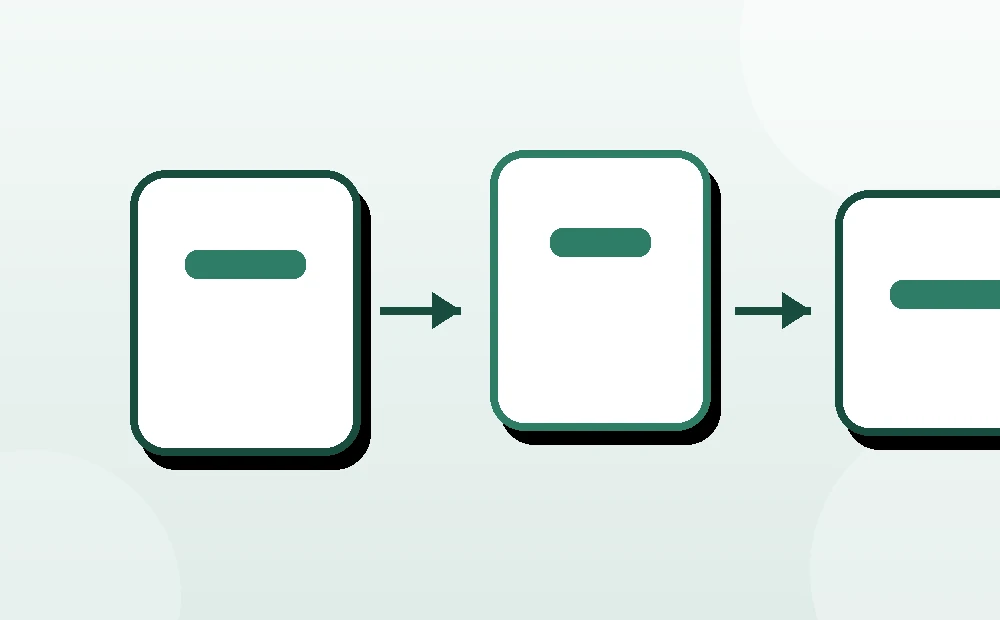
Run a four-week sampler
- Week one: try the easiest candidate. Use borrowed supplies or a free introduction for 30 to 60 minutes.
- Week two: try a contrasting format. If the first was solitary and indoors, test something social or outside.
- Week three: repeat the most promising option. Change one source of friction, such as timing, lighting, transport, or group size.
- Week four: choose a next experiment. Continue for one month, sample the third option, or pause without guilt.
Do not shop for all four weeks at once. The sampler is designed to gather evidence before commitment.
Score the experience, not your talent
After each session, rate these from 1 to 5:
- Curiosity before starting
- Ease of setup and cleanup
- Physical and mental comfort
- Total cost and travel burden
- Satisfaction afterward
- Desire to do it again within seven days
Skill is intentionally absent. Beginners are supposed to be unskilled. A hobby deserves a second chance when the process is interesting, even if the first result is poor.
Separate hobby, project, and service
A hobby is usually repeated for enjoyment. A project has an endpoint, such as digitizing photographs or building a family tree. Service benefits others through volunteering or caregiving. All three can provide purpose, but they create different demands.
Retirement can become overloaded when every free interest turns into unpaid responsibility. If you want pleasure, choose an activity you can stop. If you want contribution, define the hours and role before agreeing.
Keep the starting cost low
Use library equipment, trial classes, community studios, rental programs, secondhand tools, and small starter kits. Ask experienced participants what beginners actually use; enthusiasts often own equipment that is unnecessary at the beginning.
Calculate total cost, including travel, storage, maintenance, ingredients, protective equipment, and recurring fees. A $20 class that requires $150 in tools is not a $20 experiment.
Adapt the hobby to the current body
Change the table height, tool grip, print size, task lighting, session length, or position. Use a raised garden bed instead of kneeling, an easel instead of bending over paper, or an audiobook alongside printed text. Adaptation preserves the interesting part while reducing strain.
If an activity causes chest pressure, faintness, new severe pain, unusual breathlessness, or symptoms related to a known condition, stop and seek appropriate medical guidance. A hobby plan should respect individual clinical advice.
Give the week a light structure
Put one likely session on the calendar and keep a smaller backup. For example: community garden Thursday morning, with photo sorting at home if the weather is poor. This creates anticipation without turning every day into an appointment.
Leave preparation partly done. Keep watercolor supplies on one tray, walking items in one bag, or the current book beside a comfortable chair. Friction compounds; so does convenience.
Notice when a hobby is becoming a burden
Warning signs include buying faster than using, feeling guilty about missed sessions, accepting unwanted leadership, storing supplies in living space you need, or continuing only because someone else approves. Reduce the frequency, simplify the setup, change groups, or stop.
The time already spent does not create an obligation to continue. Sampling is successful when it reveals a mismatch as well as when it finds a favorite.
Keep more than one kind of interest
One quiet home activity and one reason to leave the house make a resilient pair. If weather, health, or scheduling interrupts one, the other remains available. The National Institute on Aging notes that meaningful, enjoyable activities can support well-being and may include learning, arts, volunteering, and social participation.
The strongest retirement hobby is not necessarily the most productive. It is the one you can begin without negotiation, enjoy without proving anything, and look forward to repeating.