Thirst can become a less noticeable signal with age, so waiting until you feel very thirsty may not be a reliable plan. A better routine links appropriate drinks to events that already happen: waking, meals, medicine, activity, and returning home.
If a clinician has limited your fluids, prescribed a diuretic, or given instructions for heart, kidney, liver, or electrolyte problems, follow that plan instead of a generic water target. Ask how the plan changes in hot weather or during illness.
Start with your personal instructions
Review the medication labels and medical advice that apply to you. Some medicines should be taken with a full glass of water; others do not. Do not change medicine timing or fluid intake to reduce bathroom trips without speaking to a clinician or pharmacist.
Ask what types of drinks count, whether caffeine should be limited, and what symptoms mean you should call. Keep that guidance with the medication list rather than relying on memory.
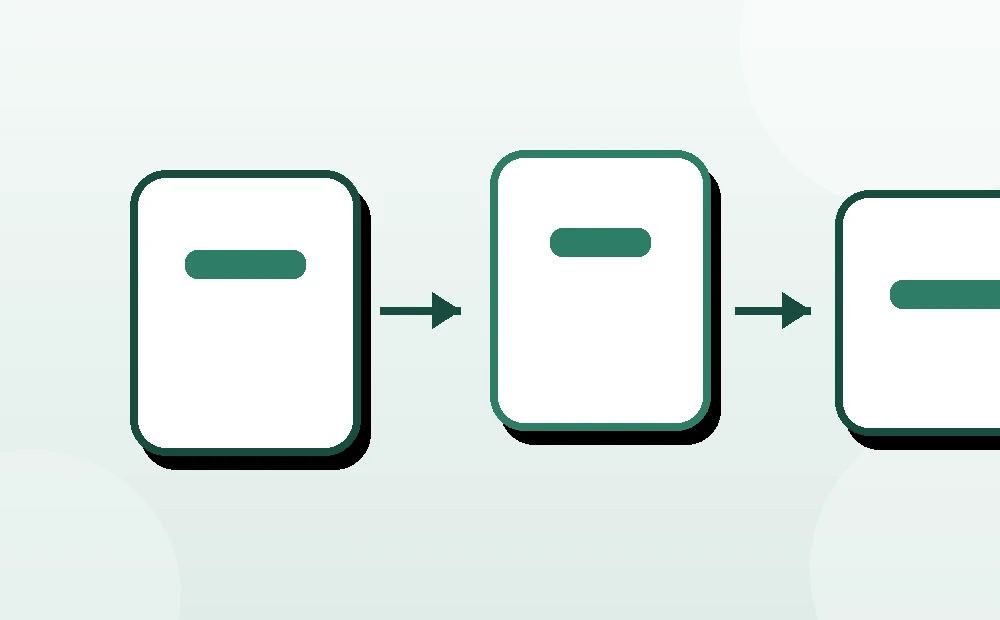
Use five ordinary drinking cues
- After waking: have the amount that fits your plan while preparing breakfast.
- With meals: place a drink on the table before sitting down.
- With medicine: follow the exact label or pharmacist direction.
- Before and after activity: bring water for a walk or exercise unless restricted.
- After returning home: drink before becoming absorbed in another task.
Keep a lightweight cup or bottle where it is easy to lift and see. Refill a smaller container rather than carrying a large, heavy jug that affects balance.
Get fluid from more than plain water
Water is a practical default without added sugar. Milk or fortified alternatives, soup, and foods with high water content can also contribute. Fruit and vegetables such as oranges, melon, cucumber, and tomatoes may help provide fluid and nutrients.
Sugary drinks can add substantial sugar, and alcohol can complicate hydration, sleep, balance, and medication safety. Ask a clinician about alcohol interactions. Sports drinks are not automatically necessary for ordinary daily activity and may contain sugar or sodium that does not fit every medical plan.
Adjust for heat before symptoms appear
Adults 65 and older are more prone to heat-related health problems. CDC notes that chronic conditions and medicines can affect temperature control or sweating. Check the forecast, move activity to a cooler hour, shorten the route, and spend time in air conditioning during extreme heat.
Do not rely on a fan as the primary cooling method when it is extremely hot. If fluid intake is restricted, ask the clinician in advance how to handle heat days rather than independently increasing or withholding fluids.
Make drinking safer and easier
| Barrier | Practical adjustment |
|---|---|
| Cup feels heavy | Use a smaller lightweight cup and refill it |
| Water is forgotten | Place a drink at each regular meal location |
| Bathroom urgency | Improve the clear, lit path and seek medical advice |
| Swallowing is difficult | Request a swallowing assessment; do not change liquid thickness alone |
| Drink is unappealing | Try a safe preferred temperature or add unsweetened flavor |
Keep spills off walking surfaces and use a stable table. A straw may help some people but can be inappropriate for certain swallowing problems; follow professional advice.
Watch for changes, not one universal test
Dry mouth, darker urine, headache, dizziness, weakness, or confusion can occur with dehydration but can also have other causes. Urine color is affected by medicines, vitamins, and health conditions, so it is not a diagnosis by itself.
Seek prompt medical advice for new or worsening symptoms, vomiting or diarrhea that prevents drinking, very little urine, or repeated dizziness. Sudden confusion, fainting, severe weakness, chest symptoms, or severe breathing difficulty may require emergency help.
Avoid the catch-up mistake
Drinking a very large amount quickly is not a safe solution for everyone. Spread intake through the day according to the individual plan. Do not set competitive gallon goals or force fluids when nausea, swallowing difficulty, or medical restrictions are present.
Record approximate drinks and relevant symptoms for several days if a clinician requests it. Include hot weather, exercise, and medicine changes so the pattern is useful.
Review the routine after one week
Keep cues that happen naturally and move missed drinks to visible locations. If the plan causes repeated nighttime waking, urgency, swelling, or anxiety, ask a clinician how timing and total intake should be adjusted. The goal is steady, appropriate hydration, not maximizing a number.